7 Best Ways to Reduce Unexpected Machine Downtime | NICPL
Table of Contents
- 1. What Is Unexpected Air Compressor Downtime?
- 2. Common Causes of Unexpected Air Compressor Downtime
- 3. 7 Best Ways to Reduce Unexpected Air Compressor Downtime
- 1. Follow a Preventive Maintenance Schedule
- 2. Monitor Compressor Performance Regularly
- 3. Keep Air Filters Clean and Replace Them on Time
- 5. Maintain Proper Lubrication and Oil Levels
- 6. Monitor Operating Temperature and Pressure
- 7. Use Genuine Spare Parts and Professional Service
- 4. Preventive Maintenance Checklist for Air Compressors
- 1. Check the Oil Level and Condition
- 2. Inspect and Replace Air Filters
- 3. Check for Air and Oil Leaks
- 4. Monitor Temperature and Pressure
- 5. Inspect Belts, Hoses, and Connections
- 6. Keep the Compressor and Cooler Clean
- 7. Record Maintenance and Service History
- 5. Conclusion
Unexpected machine downtime is one of those problems that can quickly disrupt an entire production schedule. A machine may be working perfectly in the morning, and suddenly a small issue can bring the whole process to a stop. Then comes the waiting, troubleshooting, maintenance work, and sometimes even delayed deliveries.
From our experience, most downtime problems are not always caused by a major machine failure. Small issues like missed maintenance, unusual machine sounds, overheating, poor operating practices, or not having the right spare parts at the right time can also lead to bigger breakdowns.
That’s why preventing downtime is often better than waiting for a machine to fail. In this blog, we’ll look at 7 practical ways to reduce unexpected machine downtime and keep your production running more smoothly.
What Is Unexpected Air Compressor Downtime?
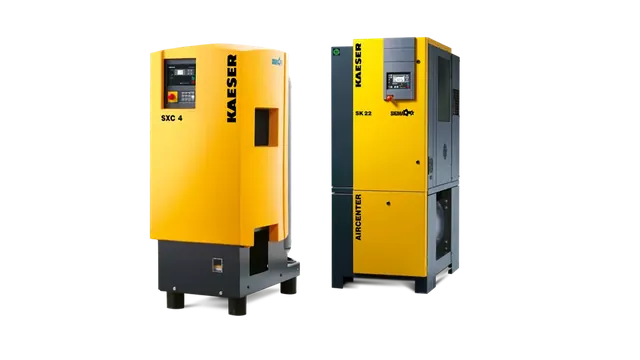
Unexpected air compressor downtime refers to those unplanned moments when a compressor suddenly stops working or fails to deliver the required compressed air during production. One moment, the compressor is running normally, and the next, it may trip, overheat, lose pressure, or shut down because of a fault. So, if your production depends heavily on compressed air, keep in mind that even a short compressor stoppage can affect machines, delay production, and create unnecessary maintenance work. Common causes can include poor maintenance, clogged filters, overheating, oil-related issues, electrical faults, or sudden pressure problems. So, if you’re running an industrial setup where compressed air is essential, understanding these warning signs and causes can help you deal with downtime before it turns into a bigger production problem.
Common Causes of Unexpected Air Compressor Downtime
Not all compressor problems have the same impact on your production. If you want to understand why unexpected downtime happens, it helps to keep an eye on the following common causes.
- Poor maintenance can allow minor compressor issues to build up over time. Regular servicing helps identify worn parts, leaks, lubrication issues, and other problems before they lead to a sudden shutdown.
- Dirty or clogged air filters** can restrict airflow and make the compressor work harder than it should. This can increase energy consumption, reduce performance, and eventually contribute to overheating or downtime.
- Overheating is another common reason for unexpected compressor stoppage. High ambient temperatures, blocked ventilation, dirty coolers, or insufficient airflow can cause the compressor to trip for protection.
- Oil-related problems such as low oil levels, incorrect lubrication, or oil contamination can affect the compressor’s internal components. If ignored, these issues can result in serious damage and unplanned downtime.
- Electrical problems, including voltage fluctuations, loose connections, or motor-related faults, can cause the compressor to trip unexpectedly. A stable electrical supply and regular electrical inspections can help reduce these interruptions.
- Air leaks and pressure issuescan make the compressor run continuously to maintain the required pressure. Over time, this puts additional load on the system and can increase the chances of breakdown.
- Worn-out components such as belts, bearings, valves, hoses, and other critical parts can eventually fail if they are not inspected or replaced on time. Regular condition checks can help catch these problems before they stop production.
7 Best Ways to Reduce Unexpected Air Compressor Downtime
In this blog, you’ll find seven practical ways to reduce unexpected air compressor downtime. Learn how to prevent sudden breakdowns, keep your compressor running reliably, and avoid unnecessary interruptions to your production.
We’ll share simple, easy-to-follow strategies that can help you maintain your compressor, identify problems early, and improve overall system performance. These tips can help reduce maintenance costs, extend compressor life, and keep your production running smoothly.
1. Follow a Preventive Maintenance Schedule
A preventive maintenance schedule may sound like one more thing to manage, but in our experience, it can save a lot of trouble later. Instead of waiting for the compressor to stop and then figuring out what went wrong, regular checks help you catch small issues while they are still easy to fix.
- Check the compressor regularly instead of waiting for a breakdown
- Keep an eye on filters, oil levels, coolers, belts, hoses, and other important parts
- Clean or replace filters on time to maintain proper airflow
- Watch for unusual noise, vibration, temperature, or pressure changes
- Keep a simple maintenance record so you know what was checked and when the next service is due
These small checks may take some time, but they can make a big difference. A well-maintained compressor is less likely to surprise you with sudden downtime and can run more efficiently for a longer period.
2. Monitor Compressor Performance Regularly
Regularly monitoring your compressor’s performance can help you spot small changes before they turn into bigger problems. In our experience, things like rising temperature, pressure drops, unusual vibration, increased running hours, or higher energy consumption can often indicate that something is not working as it should.
Keeping track of these changes gives your maintenance team time to check the compressor and take action before a sudden breakdown occurs. It also helps you plan servicing, arrange spare parts in advance, and understand how the compressor is performing over time. A little regular monitoring can go a long way in reducing unexpected downtime and keeping production running smoothly.
3. Keep Air Filters Clean and Replace Them on Time
Keeping air filters clean is a simple maintenance step, but it can have a big impact on compressor performance. When a filter becomes dirty or clogged, it restricts airflow and makes the compressor work harder than necessary. This can increase energy consumption, reduce efficiency, and put extra load on the compressor.
Regularly checking the filters helps ensure proper airflow and smooth operation. Clean or replace them when needed instead of waiting until the compressor starts showing performance issues. This small maintenance task can help prevent unnecessary strain, reduce the chances of unexpected downtime, and keep the compressor running efficiently.
4. Check for Compressed Air Leaks
Regularly checking for compressed air leaks can help maintain the efficiency of your entire air system. Even a small leak in a pipe, hose, fitting, or connection can continuously waste compressed air, forcing the compressor to run longer and work harder than necessary. Finding and fixing leaks early helps maintain stable air pressure and reduces unnecessary energy consumption. Regular leak inspections can also prevent the compressor from being overloaded and reduce the chances of performance issues or unexpected downtime. A well-maintained air distribution system means less wasted air, lower operating costs, and more reliable compressor performance.
5. Maintain Proper Lubrication and Oil Levels
Proper lubrication is essential for keeping an air compressor running smoothly and protecting its internal components. When the oil level is too low, the oil is contaminated, or it is not changed at the right time, friction and heat can increase, putting unnecessary stress on the compressor. Regularly checking the oil level and following the recommended oil change schedule can help prevent these problems. Using the correct lubricant and replacing it when required also supports better compressor performance and helps reduce wear on important components.
Keeping up with proper lubrication not only helps extend the life of the compressor but can also improve efficiency, reduce the chances of unexpected breakdowns, and keep the compressed air system running reliably.
6. Monitor Operating Temperature and Pressure
Temperature and pressure are two readings that can tell you a lot about how an air compressor is performing. If you keep an eye on them during normal operation, you can often notice when something starts to change before the compressor actually stops. For example, if the temperature keeps running higher than usual, it may point to restricted airflow, cooler problems, or an issue with the lubrication system. Similarly, pressure that keeps fluctuating or takes longer to build can indicate problems with the air demand, leaks, or compressor settings.
The important thing is not to look at one reading in isolation. Compare the readings with the compressor’s normal operating range and watch for unusual changes over time. Acting on these changes early can help avoid bigger faults, unnecessary stress on the compressor, and sudden production interruptions.
7. Use Genuine Spare Parts and Professional Service
Using genuine spare parts is an important part of keeping an air compressor reliable and efficient. Components such as air filters, oil filters, separators, valves, and lubricants are designed to work according to the compressor manufacturer’s specifications. Using the correct parts can help maintain performance, reduce component wear, and prevent unexpected breakdowns.
Genuine spare parts can also help maintain the compressor’s expected operating efficiency and service life. For example, replacing critical consumable parts at the recommended **2,000–4,000 operating-hour intervals**, depending on the compressor model and operating conditions, can help prevent issues caused by clogged filters, contaminated oil, or worn components. Professional servicing also ensures that important parameters are checked correctly during maintenance.
Regular maintenance performed by trained technicians can identify potential problems before they become costly failures. Professional service can include inspections of the **oil level, air and oil filters, separator, belts, valves, pressure, and operating temperature**. By combining genuine spare parts with scheduled servicing, businesses can improve compressor reliability, reduce unplanned downtime, and maintain consistent compressed-air performance over the long term.
Preventive Maintenance Checklist for Air Compressors
A simple maintenance checklist can make it much easier to keep an air compressor in good working condition. Instead of waiting for a warning or breakdown, regular checks help you catch small issues early and deal with them before they affect production.
1. Check the Oil Level and Condition
Make sure the oil level is within the recommended range and check for any signs of contamination or unusual changes. Using the correct oil and changing it according to the manufacturer’s schedule helps protect the compressor’s internal components.
2. Inspect and Replace Air Filters
Check the air filters regularly for dust and dirt buildup. A clogged filter can restrict airflow and make the compressor work harder, so clean or replace it when required.
3. Check for Air and Oil Leaks
Inspect pipes, hoses, fittings, connections, and seals for leaks. Even a small compressed air leak can waste energy and make the compressor run longer than necessary.
4. Monitor Temperature and Pressure
Keep an eye on operating temperature and pressure during normal operation. Changes from the usual readings can help identify problems before they develop into a major fault.
5. Inspect Belts, Hoses, and Connections
Look for cracks, wear, loose connections, or other visible damage. Replacing worn components at the right time is much better than waiting for them to fail during production.
6. Keep the Compressor and Cooler Clean
Dust and dirt around the compressor, ventilation areas, and coolers can affect heat removal. Keeping these areas clean helps maintain proper airflow and reduces the risk of overheating.
7. Record Maintenance and Service History
Keep a simple record of inspections, oil changes, filter replacements, running hours, and repairs. This makes it easier to plan the next service and notice recurring problems.
A checklist like this does not need to be complicated. The important thing is to follow it consistently and use the compressor manufacturer’s recommended maintenance intervals as the main reference. Regular maintenance can help improve reliability, reduce unexpected downtime, and keep the compressor running efficiently.
Conclusion
Reducing unexpected air compressor downtime is not only about fixing a problem when the compressor stops. Regular maintenance, performance monitoring, clean filters, leak checks, proper lubrication, and keeping an eye on temperature and pressure can help you identify small issues before they become bigger problems. Using genuine spare parts and professional service can also help maintain reliable compressor performance and extend the life of important components. So, always consider your compressor’s operating conditions, maintenance schedule, running hours, and overall air system before waiting for a breakdown. A well-maintained compressor can help keep production running smoothly, reduce unnecessary maintenance costs, and avoid unexpected interruptions.
We will be back with the next blog soon. Till then, stay tuned!